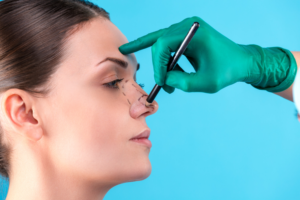
Non-surgical rhinoplasty, often known as nose filler or a liquid nose job, is one of the most technically complex injectable procedures in aesthetic medicine. Smoothing bumps on the nasal bridge, refining the tip, correcting asymmetries, or improving overall profile can yield really revolutionary results. However, the nose is not like the cheeks or lips. Because of its unusual architecture, aftercare following nose fillers in Dubai requires more than just avoiding activity and lying on your back for a few nights.
If you have just had nasal filler or plan to have it done, it is critical to understand the aftercare needs, not only to optimize your results but also to ensure your safety. This guide covers everything:
- What to anticipate right after treatment
- The regulations that apply for the first two weeks
- How to sleep
- What to do with glasses
- The swelling schedule
- The warning signs that demand rapid care.
Quick Answer
- No glasses on the bridge for at least two weeks; even lightweight frames displace filler.
- No touching, pushing, or rubbing the nose for two weeks.
- No heavy exercise for 48 hours and no swimming for two weeks.
- Sleep on your back for two weeks; front or side sleeping displaces filler.
- Swelling peaks at 24-48 hours and completely resolves within 2-4 weeks.
- The final outcome is apparent 2-4 weeks after non surgical rhinoplasty in Dubai.
- Nose filler lasts between 9 and 12 months.
Why Nose Filler Aftercare Is More Critical Than Other Areas
The nose is in the center of the face, but its significance in aesthetic medicine extends beyond esthetics. The nasal region contains one of the most intricate and end-arterial vascular networks on the face.
The nasal tip, alar grooves, and dorsum are supplied by a network of small vessels, including the dorsal nasal artery, lateral nasal artery, and branches of the angular artery, which are closely linked to vessels supplying the skin overlying the nose and even the blood supply to the eye. Unlike many other parts of the face, where there is some collateral circulation to compensate if a vessel is constricted or accidentally penetrated, certain nasal vessels have very little redundancy. This is why vascular occlusion in the nose is associated with a greater risk of skin necrosis and, in rare but critical cases, visual problems than in most other injectable therapy locations.
Aside from the vascular intricacy, the nasal skin has its own issues for aftercare:
- Thin, strongly adhering skin: Nasal skin is thin and tightly adhered to the underlying cartilage, providing limited opportunity for filler movement.
- Increased migration risk: Pressure from touching, rubbing, wearing glasses, or sleeping on the nose might dislodge newly injected filler.
- Visible imperfections: Lumps, asymmetry, and filler displacement are more visible in the nose because of the lack of soft tissue to disguise them.
All of this implies that nasal filler aftercare takes more attention than most other injectable procedures. The regulations aren’t arbitrary; they exist because the anatomy requires them.
Immediately After Nose Fillers Treatment: Normal Reactions
After the non-surgical nose reshaping Dubai, the treated region will appear and feel different than usual. Knowing what to expect alleviates unneeded anxiety and allows you to recognize the early indicators of something that truly requires care.
Normal responses in the initial time following nasal filler:
- Swelling, especially over the bridge and at the tip. The nose may appear wider or more bulbous than the desired final shape. This effect is expected.
- Redness at and around the injection sites. The nasal skin flushes readily and usually calms within one to two hours.
- Tenderness while rubbing or pushing the nose. The tissue has been mechanically damaged and will become sensitive.
- Mild bruising, mainly around the tip and columella, with some spreading slightly to the inner corners of the eyes or upper lip region. The nasal tip, in particular, tends to bruise readily.
- A sensation of stiffness or tightness as the filler takes up space, and the taut nasal skin may feel uncomfortably tight in the initial post-treatment period.
- A little asymmetry may occur, with one side swelling more than the other initially. This normally balances out when the edema subsides.
Your practitioner will examine your nose soon following nose contouring fillers Dubai and inform you of the outcome at this early stage. Do not rely on your ultimate result on the appearance within the first 24 to 48 hours; what you see in the mirror right away is a combination of product and edema, not the end result.
The 14-Day Rules for Nose Filler
The first two weeks following nasal filling are critical for maintaining your results. During this time, the hyaluronic acid gel is still integrating with the surrounding tissue and is prone to displacement by mechanical pressure. The following regulations apply throughout this time, not just the first 48 hours after nose enhancement injections Dubai.
No Glasses or Sunglasses on the Bridge
After getting nose filler, avoid wearing prescription glasses, sunglasses, or reading glasses on the nasal bridge. Even lightweight frames may move the filler before it settles. For the first two weeks, avoid laying your glasses directly on the treated region. Contact lenses may be an appropriate option at this time. If glasses are necessary, see your doctor about safe options to prevent filler migration.
No Touching, Pressing, or Rubbing
Avoid unnecessary nasal contact, such as automatically rubbing your nose, pressing on the bridge when putting on a headband or face mask, or applying direct mechanical pressure to the treated region. This includes facial massage, gua sha, and any other instruments used on the mid-face.
No Strenuous Exercise for 48 Hours
As with other injectable therapies, avoid intense physical activity for at least 48 hours after treatment. Elevated heart rate increases blood flow to the face, exacerbating bruising and swelling, and increased internal pressure may dislodge freshly applied filler. Most patients can resume moderate exercise within 48 hours, but they should avoid any activity involving severe head impact or facial contact, such as contact sports, for the next two weeks.
No Swimming, Saunas, or Steam for Two Weeks
Swimming in pools, the sea, or any open water should be avoided for at least two weeks after nasal filler. Chlorine and salt water can irritate newly injected tissue, and a soggy environment raises the risk of infection through small puncture sites left by needles or cannulas. More significantly, the act of swimming frequently includes the face coming into contact with water and experiencing repetitive pressure fluctuations.
Saunas, steam rooms, and hot baths should all be avoided for two weeks. Significant heat increases vasodilation and promotes tissue edema. Repeated heat exposure in the weeks after treatment might hasten the breakdown of hyaluronic acid and lead to quicker filler metabolism.
No Makeup or Skincare on the Nose for 24–48 Hours
The injection sites in the nose must stay clean and undisturbed for the first 24 to 48 hours. During this time, do not apply foundation, concealer, or other cosmetic products directly on the bridge or tip. When you restart skincare, avoid using retinol, exfoliating acids, or high-concentration actives on and around your nose for the first week.
Sleeping After Nose Filler
Sleep posture is critical following nasal filler, and the recommendations are more stringent than for most other face injectable procedures.
For the first two weeks, sleep on your back instead of on your front or side. The cause is simple:
- Sleeping on your front forces your nose squarely into the pillow, which can physically dislodge filler that has not yet fully integrated.
- Side sleeping is less dangerous than front sleeping, although even little contact between the nose and a pillow during the night can result in accumulated pressure over the course of a full night’s sleep.
Elevating your head slightly, with an additional cushion or a wedge, also helps prevent overnight facial swelling, which can be particularly noticeable around the nose due to the tightness of the underlying skin.
Practical ways for staying in a back-sleeping position:
- Put a firm cushion on each side of your body to prevent rolling.
- Use a travel neck cushion to physically keep the face from falling to one side.
- Avoid heavy, compressed pillows beneath your head, which can tilt the face downward and create pressure on the nose even when lying on your back.
If you sleep on your side or front, the two-week rule may be difficult to follow. It is important to be aware of this restriction before booking your treatment and scheduling it properly, such as avoiding a treatment time when you know you will have a severely interrupted sleep routine, especially when reviewing your nose fillers before and after Dubai expectations.
Can You Wear Glasses After Nose Filler?
For at least two weeks after nose filler, avoid wearing glasses on the nasal bridge since pressure can cause the filler to shift. After two weeks, glasses can normally be progressively resumed, with greater caution for heavier frames.
Options during the restricted period:
- Contact lenses: These are the preferred solution for most patients if appropriate.
- Surgical tape frame suspension: Some practitioners advise taping light frames to the forehead temporarily to alleviate weight off the bridge, while this is far from pleasant and should only be done under supervision.
- Minimize glasses use: If you just need glasses for driving or screens, use them sparingly and remove them as quickly as possible rather than wearing them for lengthy periods of time.
If you rely on glasses to perform properly, whether for driving, work, or daily duties, organize your time wisely. Consider scheduling your treatment at the best clinic for nose fillers Dubai on a day when you have fewer responsibilities, and address the constraint thoroughly with your practitioner during your consultation. It is a legitimate limitation that should not be overlooked.
How Long Does Nose Filler Swelling Last?
Swelling following nasal filler normally follows this general timetable, but individual variance is significant:
- First 24–48 hours: Swelling is usually most noticeable within the first 24-48 hours. The nose may appear larger or more bulbous than planned. The bridge may look taller or broader than the intended outcome. This is the inflammatory reaction; it does not reflect the end result.
- Days 3-5: Initial swelling normally begins to subside significantly during this period, while the nose will still feel stiff and appear different from how it will eventually settle. Bruising may become more noticeable before it fades.
- Days 7–10: By the conclusion of the first week, the majority of the acute edema has resolved. The nasal form should begin to resemble the desired result, while residual rigidity and slight puffiness are usual.
- Weeks 2–4: The filler continues to integrate and soften throughout this phase. Any lingering asymmetry or stiffness usually disappears. The stiff nasal skin takes somewhat longer to fully adjust to the new form than softer facial tissue.
- After four weeks: Most patients’ results are complete at this stage. The filler has blended with the surrounding tissue, so the nose should seem and feel natural.
If you experience considerable edema that is worsening rather than resolving after the first 48 hours, or swelling that has not significantly decreased after two weeks, consult your practitioner.
When Will You See the Final Nose Fillers Result?
The complete, established outcome of nasal filler is often noticeable two to four weeks following treatment. Most patients perceive the desired form by the end of week two, although the substance might soften and integrate for up to a month.
In one to two weeks, the nose may still be somewhat different than the final result—residual stiffness can make the bridge appear more defined than it will be, and the tip may stay slightly rounder or puffy until the product fully integrates with the tip cartilages.
Your practitioner will typically schedule a review session every two to four weeks. This is the appropriate moment to evaluate the results and consider if more refining is required. Requesting changes before the first treatment has fully settled increases the danger of placing extra product in a region that may not require it once the swelling has subsided, which is a typical cause of overfilling over time.
Signs of a Problem: When to Seek Help Immediately after Nose Fillers
Because the nose has a complicated end-arterial blood supply that is tightly linked to the ophthalmic circulation, nose fillers are more likely to produce vascular issues than other injection locations. Although these consequences are rare with a skilled, experienced practitioner, early diagnosis is crucial.
If you observe any of the following symptoms, seek same-day medical attention or call your best nose fillers doctors in Dubai immediately.
- Skin bleaching or whitening: A white or pale patch on or around the nose, including the nasal tip, alar rim, columella, region between the nose and upper lip, or inner corners of the eyes, might be indicative of vascular occlusion. Untreated occlusion can lead to tissue necrosis (skin death) and persistent scarring.
- Intense or rising pain: Although mild discomfort is normal following injections, intense, intensifying, scorching, or disproportionate pain, particularly around the nose tip, may suggest vascular compromise.
- Skin color changes: A mottled, blotchy, or net-like pattern known as livedo reticularis, or increasing blue or gray discoloration, might suggest poor blood circulation.
- Any alteration in vision: This is a medical emergency. Nasal blood vessels link to the ocular and retinal circulation. Rarely, filler can reach these arteries by retrograde embolism and impair eyesight. Blurred vision, sudden vision loss in one eye, or double vision necessitate prompt emergency care.
What to Do
If you observe these warning symptoms, call your doctor right away and explain that you are concerned about a possible vascular problem or blockage. A skilled practitioner should have hyaluronidase on hand to dissolve hyaluronic acid fillers as medically needed.
How Long Does Nose Filler Last?
Nose fillers normally last 9-12 months, although some patients might keep their results for up to 18 months. Firm, cohesive hyaluronic acid (HA) filler is often utilized in non-surgical rhinoplasty because it provides structural stability and long-term durability in the nasal region. The effects eventually soften when the filler is organically digested, which is typical. Follow-up treatments can restore the ideal effect, and patients who maintain their results with regular top-ups may require less filler in the future. Daily SPF is also suggested since protecting the skin from UV rays can assist in boosting long-term outcomes.
Is Non-Surgical Rhinoplasty Right for You?
Non-surgical rhinoplasty is a fantastic choice for individuals who wish to address particular problems with their nose profile without having to undergo surgery, without general anesthesia, and with no downtime other than a brief recovery period. Common issues efficiently addressed with nose filler include:
- A conspicuous bulge or hump on the nasal bridge that patients wish to conceal.
- A nose tip that looks droopy or lacks definition.
- Asymmetry on both sides of the nose.
- A flat or low dorsum might benefit from augmentation.
- Post-surgical abnormalities that require minimal correction.
Nose filler does not physically make the nose smaller. Instead, it carefully increases volume to provide a smoother, more refined appearance. Patients wanting a really smaller nose may benefit from surgical rhinoplasty.
Suitability is determined by your nasal architecture, past filler procedures, skin condition, and desired result. A thorough consultation and medical history assessment are required prior to therapy to evaluate what is actually achievable.
If you want to know if non-surgical rhinoplasty is right for you and to know nose fillers cost Dubai, arrange a consultation with Dr. Dragana Spica to go over your issues, projected outcomes, and treatment choices.
FAQs
How long does it take to see the final result from nose filler?
The complete established outcome of nasal filler is usually noticeable 2-4 weeks following treatment. Most patients perceive the desired form by the end of week two, although the substance might soften and integrate for up to a month. Do not assess the outcome in the first 48 hours; what you see is swelling and product, not the ultimate result.
What happens if nose filler is accidentally bumped after treatment?
A minor accidental bump does not necessarily mean the filler has moved or the result is damaged. However, avoid repeatedly touching, pressing, or manipulating the nose after treatment. If you notice significant pain, sudden swelling, skin discoloration, or an obvious change in the shape of the nose following an impact, contact your treating practitioner promptly for assessment.
Can I fly after getting nose filler?
It is generally advisable to discuss air travel timing with your practitioner, particularly if you need to take a long-haul flight shortly after treatment. Flying itself does not usually affect the filler, but swelling and bruising may still be present during the first few days. If possible, allowing some recovery time before traveling can make it easier to monitor your nose and seek medical care if an unexpected reaction occurs.
Can I have other facial treatments after nose filler?
It is best to postpone treatments that involve pressure, heat, massage, or manipulation of the nose until the filler has settled. Procedures such as facial massage, certain laser treatments, or other injectable treatments should be discussed with your practitioner before being scheduled. Your practitioner can recommend an appropriate interval based on the treatment performed and the areas involved.
Can nose filler correct a crooked nose?
Nose filler may improve the appearance of certain mild asymmetries or create a straighter-looking profile by strategically adding volume to selected areas. However, it does not physically straighten the nasal bones or cartilage. Significant structural deviation may require surgical correction instead. A consultation with Dr. Dragana Spica can help determine whether non-surgical rhinoplasty is suitable for your specific nasal anatomy.
Can nose filler be repeated after the results start to fade?
Yes, nose filler can often be repeated when the results begin to diminish, provided the treatment remains appropriate for your anatomy and aesthetic goals. A follow-up assessment allows the practitioner to evaluate the existing filler, determine how much has naturally diminished, and decide whether another treatment is appropriate. Repeated treatment should be carefully planned to avoid unnecessary product accumulation or overcorrection.