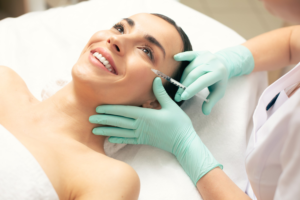
Learn about non-surgical skin tightening in Dubai and how it provides effective techniques to firm and lift skin without surgery. Learn more today!
Non-surgical skin tightening refers to a class of energy-based in-office treatments that firm and lift loose skin by encouraging collagen remodeling without requiring incisions or extensive downtime. Radiofrequency, microfocused ultrasound, and laser treatments are all technologies that employ controlled heat beneath the skin’s surface to stimulate the body’s natural healing process. The effect is a progressive firming and lifting that occurs over weeks to months. These anti-aging skin tightening procedures provide a useful middle ground between a basic facial and a surgical facelift for people seeking significant improvement without surgery.
What is non-surgical skin tightening and how does it differ from surgery?
Non-surgical skin tightening, also known as non-invasive skin lifting in clinical settings, employs regulated heat energy to promote collagen and elastin formation in the dermis and deeper tissue layers. No scalpels, sutures, or general anesthesia are used. The skin’s surface remains intact while the important work occurs beneath.
Surgery physically removes extra skin and repositions underlying tissues, yielding quick and dramatic benefits. Non-surgical procedures progressively improve skin quality and require minimal downtime. The two techniques are not equivalent. They serve various levels of laxity and patient aspirations.
The primary appeal of non-surgical methods is the mix of true biological change and a return-to-normal-life experience on the same day. This combination has resulted in these treatments being among the most popular cosmetic operations at dermatological facilities in Dubai.
What types of skin tightening treatments are available?
Non-surgical therapeutic options include microfocused ultrasound (Ultherapy), radiofrequency (including RF microneedling), and laser therapy. Each skin tightening treatment in Dubai provides energy to a particular depth and stimulates collagen remodeling via a slightly different process.
Here’s how the primary choices compare:
| Treatment | Energy type | Depth targeted | Best for | Recovery |
| Ultherapy | Microfocused ultrasound | Up to 5 mm (SMAS layer) | Brow, chin, and neck lifting | Minimal |
| Radiofrequency (RF) | RF energy | Dermis, 0.5–2 mm | Face, abdomen, and arms | Minimal |
| RF microneedling | RF and microneedles | Dermis to deep dermis | Texture, laxity, and scars | 1 to 3 days |
| Laser therapy | Light energy | Epidermis to dermis | Skin texture and mild laxity | Varies |
The depth difference is more important than most patients think. Ultrasound can penetrate the superficial muscular aponeurotic system (SMAS), which is the same layer that surgeons target during a facelift, to a depth of 5 mm. The dermis is targeted by RF radiation at a depth of approximately 0.5-2 mm. Targeting the appropriate depth for a patient’s particular laxity pattern distinguishes a noticeable outcome from an unsatisfactory one.
Laser treatments act closer to the skin’s surface, making them more suited for skin texture and tone than major lifting. Patients contemplating laser-based skin rejuvenation should consult with their clinician about the depth and target region before committing to a modality.
How does skin tightening work at the biological level?
Non-surgical skin tightening Dubai works by inducing controlled thermal irritation and then repairing the area. Heat applied to the dermis or deeper layers causes two things to happen: immediate collagen fiber contraction and, over the next several weeks, the synthesis of new collagen fibers via a process known as neocollagenesis.
Radiofrequency warms the dermis to around 40-45°C, resulting in both rapid constriction and a rebuilding process that lasts 2-6 months. Some modern RF devices create interior skin temperatures ranging from 50°C to 70°C and have FDA certification for skin tightening applications. Higher temperatures hasten collagen restructuring but need precise administration to minimize surface injury.
The main biological actors are:
- Collagen is the structural protein that provides the skin with its rigidity. Heat contracts existing fibers and initiates new fiber synthesis.
- Elastin is the protein that gives skin its ability to snap back. Remodeling therapies increase the organization of elastin and collagen.
- Fibroblasts are the skin cells that create collagen and elastin. Thermal stimulation stimulates fibroblasts, increasing production.
Non-surgical skin tightening for face and neck Dubai can produce progressive improvements in stiffness and texture, rather than rapid facelift-like results. Patients usually notice early changes in 4-6 weeks, with complete effects apparent in 3-6 months. That timing reflects biology. Collagen remodeling can’t be hastened.
Ask your physician the precise tissue depth they are targeting and why. Matching treatment depth to your laxity pattern is the single most essential component in achieving noticeable results.
Who is the right candidate for non-surgical skin tightening?
Non-surgical skin tightening is best suited for people with mild to moderate skin laxity. Consider early jowling, modest neck looseness, or subtle skin crepiness on the belly or arms. Patients in their 30s to 50s who have strong baseline skin elasticity do well.
The therapies have certain restrictions, which every patient should understand before scheduling skin tightening after weight loss Dubai.
- They cannot remove extra skin. A patient with extensive hanging skin following severe weight reduction requires surgery.
- They do not rearrange deeper facial features, as a facelift does.
- They need appropriate baseline flexibility to respond. Skin that has lost much of its suppleness will not rebuild properly.
- They are not one-time fixes. Most patients require many treatments as well as monthly maintenance.
Patients who have current skin infections, certain implanted devices, or are pregnant are not suitable candidates. Skin tone is typically not a barrier. RF energy is safe for all skin tones, making it an excellent choice for individuals who are unable to undergo certain laser treatments.
The honest talk that every patient should have with their clinician is about expectations. Non-surgical treatments increase skin quality while not reducing skin amount. If the aim is to look 20 years younger with significant lifting, surgery is the right choice. Non-surgical methods provide tremendous value if you want to look rejuvenated and firmer with no recovery period.
Pro Tip: Look at before-and-after results of your provider’s genuine patients, not manufacturer marketing images. Real patient outcomes from your provider’s hands provide the most accurate indication of what to anticipate.
How do non-surgical and surgical skin tightening compare?
Surgical operations remove extra skin and realign underlying tissues, resulting in rapid and long-term lifting that non-surgical approaches cannot achieve. A facelift, neck lift, or blepharoplasty corrects structural alterations that energy-based technologies cannot reach.
| Factor | Non-surgical | Surgical |
| Invasiveness | No incisions | Incisions required |
| Timeline for results | Gradual, 3 to 6 months | Immediate |
| Result magnitude | Subtle to moderate | Dramatic |
| Downtime | From minimal to none | Days to weeks |
| Longevity | 1 to 2 years with maintenance | 5 to 10 years |
| Best for | Mild to moderate laxity | Moderate to severe laxity |
| Anesthesia | None or topical | Local or general |
The two categories complement each other rather than competing. Many patients in their 30s and 40s seek nonsurgical skin rejuvenation and tightening Dubai to avoid surgery. Others use them after surgery to keep the benefits and enhance skin quality in between treatments.
The degree of laxity, the patient’s tolerance for downtime, and the size of the desired change all influence the selection between surgical and non-surgical procedures. A board-certified dermatologist may objectively analyze skin laxity and offer the best treatment option.
What can patients expect during and after skin tightening treatment?
Non-surgical skin tightening procedures are conducted in a dermatologist’s office and generally last 30-90 minutes, depending on the modality and treatment region. The majority of patients describe the feeling as warm or moderate prickling. RF microneedling is more painful than surface RF; hence, physicians commonly employ topical numbing lotion beforehand.
Here’s how a typical treatment regimen looks:
- Consultation: The physician evaluates laxity, skin quality, and treatment objectives to determine the appropriate method and depth.
- Preparation: Cleanse the skin and apply numbing cream 30-45 minutes before RF microneedling or more severe treatments.
- Treatment: The device distributes energy in a regulated way throughout the target region. Sessions last from 30 to 90 minutes.
- Immediate aftercare: Mild redness and swelling are common and usually go away within hours to a few days.
- Follow-up sessions: Multiple sessions are frequently required since collagen remodeling takes weeks to months to complete.
- Maintenance: Most patients return for a maintenance session every 12-18 months to keep the results.
Even when there is no apparent downtime, heat, harm, and repair take place beneath the skin. Sun protection following treatment is unavoidable. During the remodeling phase, patients should avoid direct sun exposure and wear broad-spectrum sunscreen with an SPF of 30 or higher. Skipping aftercare does more than just slow down the outcomes. It may increase the chance of pigmentation alterations, particularly in people with darker skin tones.
Key Takeaways
Non-surgical skin tightening employs regulated heat energy to encourage collagen remodeling, resulting in progressive firming and lifting without incisions. Non-surgical skin rejuvenation in Dubai is best suited for individuals with mild to moderate skin laxity.
| Point | Details |
| Core mechanism | RF and ultrasound heat the dermis, causing collagen contraction and production. |
| Treatment depth matters | Ultrasound has a range of up to 5 mm, but RF is limited to 0.5-2 mm. Matching depth to laxity produces outcomes. |
| Best candidates | Have mild to moderate laxity and good skin elasticity. |
| Results are gradual | Full improvement takes 3-6 months and requires numerous sessions plus maintenance. |
| Surgery fills a different role | Surgical procedures address extreme laxity, whereas nonsurgical therapies enhance skin quality rather than quantity. |
Why patient education matters in non-surgical skin tightening
Most patients enter a session with an emphasis on technology. They want to know if Ultherapy or RF microneedling is superior. That is the incorrect question to start with.
A definite pattern was noticed: patients who grasp the biology before their first appointment get better results. They stick with the treatment, not because it works differently for them. They finish the whole therapy course. They shield their skin from the sun. They return for maintenance. Patients who expect a big overnight outcome after only one session frequently discontinue treatment before the collagen remodeling process has completed its work.
Another thing is the notion that non-surgical skin tightening is a consolation prize for folks who are not ready for surgery. For the proper patient, a well-planned series of RF or ultrasonic treatments is truly the greatest tool available. It maintains skin quality, prevents structural aging, and has no recovery period. That’s not a compromise. That is an effective early intervention.
What Dr. Dragana Spica tells any patient contemplating these treatments: be honest with your clinician about your expectations, ask explicitly which layer of tissue will be targeted and why, and commit to the entire course. The technology works. The results are legitimate. However, they demand patience and perseverance, which no gadget can offer.
Skin tightening services by Dr. Dragana Spica
Dr. Dragana Spica specializes in non-surgical skin tightening treatments and offers tailored aesthetic care to patients in Dubai. She provides a variety of sophisticated aesthetic procedures, recommending treatments depending on each patient’s skin issues, objectives, and specific requirements.
Every treatment plan by Dr. Dragana Spica begins with a comprehensive consultation to determine your skin laxity, elasticity, and objectives. Instead of using a one-size-fits-all procedure, the team tailors the appropriate modality and treatment depth to your unique needs. Patients can also take advantage of the entire spectrum of procedures, from non-invasive lifting to face and aesthetic treatments that complement and extend tightening effects.
FAQs
How long does it take to see skin tightening results?
Results appear gradually over 3-6 months as collagen remodeling occurs. Most people see early results about 4-6 weeks following their first session.
How many skin tightening sessions are needed?
Most patients require numerous sessions spaced several weeks apart, followed by maintenance treatments every 12-18 months to maintain their outcomes.
How long does it take to see skin tightening results?
Results appear gradually over 3-6 months as collagen remodeling occurs. Most people see early results about 4-6 weeks following their first session.
How many skin tightening sessions are needed?
Most patients require numerous sessions spaced several weeks apart, followed by maintenance treatments every 12-18 months to maintain their outcomes.
Is non-surgical skin tightening safe for all skin tones?
Radiofrequency treatments are suitable for all skin tones. Laser treatments are more likely to cause pigmentation changes in darker skin tones, so choose a provider carefully.
When should someone choose surgery over non-surgical treatments?
Surgery is the best option when there is a lot of extra skin or if drastic structural lifting is desired. Non-surgical therapies address mild to moderate laxity but cannot remove or reposition skin in the same manner that surgery can.
What are the main types of non-surgical skin tightening treatments?
Common options include radiofrequency (RF), RF microneedling, microfocused ultrasound such as Ultherapy, and laser therapy. Each targets different skin depths and concerns.
How long does a skin tightening treatment session take?
Most non-surgical skin tightening sessions take about 30 to 90 minutes, depending on the treatment method and area being treated. RF microneedling may also involve topical numbing beforehand.
What can I expect after a skin tightening treatment?
Mild redness and swelling are common after treatment and usually settle within a few hours to a few days. Follow-up sessions may be recommended as collagen remodeling continues.
Can skin tightening improve skin texture as well as firmness?
Yes. RF microneedling can address both laxity and texture concerns, while laser treatments are particularly suited to improving skin texture and tone alongside minor tightening.
How can I maintain my skin tightening results?
Sun protection is important during the collagen-remodeling phase. Using broad-spectrum SPF 30 or higher, limiting direct sun exposure, and following recommended maintenance treatments can help support longer-lasting results.